


Beyond the Strait: Hormozgan charts course from transit hub to economic powerhouse
me-metals:Strategically positioned at the mouth of the Strait of Hormuz—the world's most critical energy chokepoint—Iran's Hormozgan province serves as the nation's indispensable commercial gateway. Home to major ports like Shahid Rajaei, the country's largest container port, it is the primary hub for Iran's import, export, and transit trade, connecting global markets from the Persian Gulf to Africa and India.
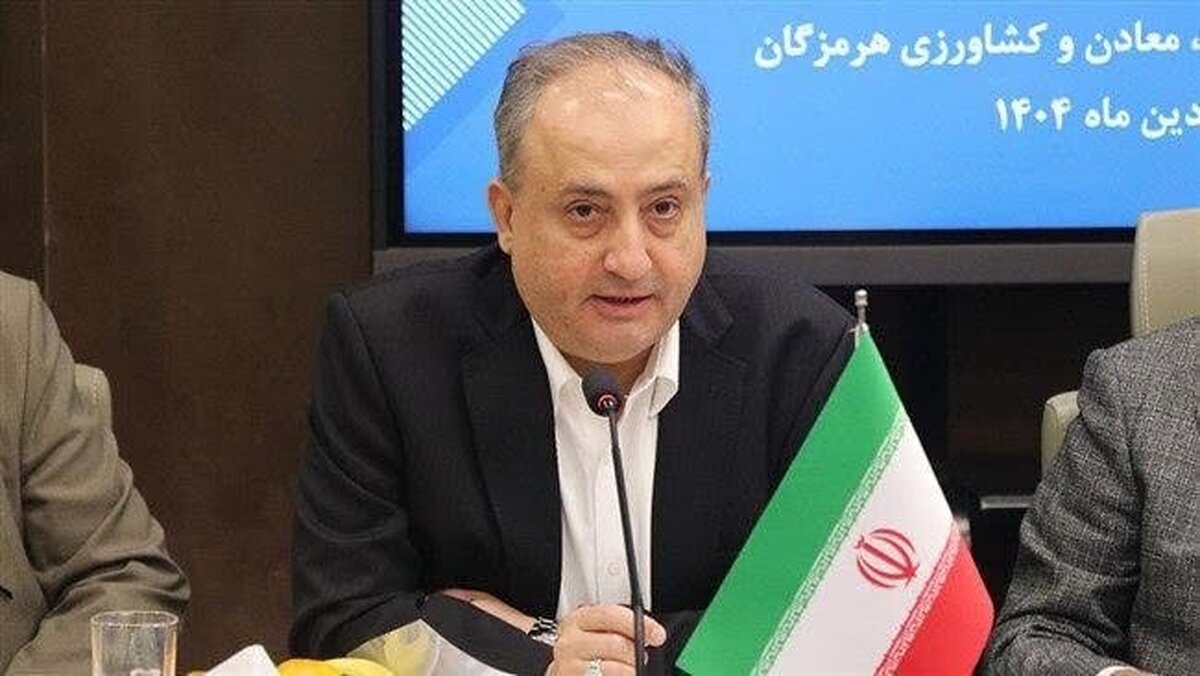
According to me-metals,In an exclusive interview with Tehran Times, Mohammad Reza Safa, the head of Hormozgan Chamber of Commerce, Industries, Mines, and Agriculture, outlines a vision to leverage this geographic advantage, moving beyond transit to build a diversified, resilient, and value-creating economic powerhouse for Iran, despite the challenges of sanctions and climate.
Given Hormozgan's control over the Strait of Hormuz and its vital ports, what is the Chamber's initial strategic vision for transforming the province from a transit corridor into a comprehensive economic power within the next five years?
The Hormozgan Chamber of Commerce, understanding the province's exceptional geo-economic position, has defined its five-year vision as moving beyond a "solely transit role" toward becoming a "center for economic value creation." This strategy is based on three pillars: First, completing value chains in maritime-based industries, energy, and mining. Second, developing advanced logistics, financial, and technical services related to international trade. Third, transforming the province's ports from cargo transit points into hubs for production, processing, and export. The ultimate goal is to increase the share of the province's real and productive economy in the country's GDP and enhance Hormozgan's economic resilience.
Sanctions remain a major external pressure. Beyond state diplomacy, what specific, practical actions is the Chamber taking with its members to facilitate cross-border trade, ensure shipping insurance, and attract foreign investment despite these constraints?
In a context where sanctions remain a structural reality, the Hormozgan Chamber has focused on "private sector operational solutions." These include developing regional trade networks with neighboring countries and the Indian Ocean region, facilitating the use of non-dollar financial mechanisms, cooperating with regional insurance companies, and establishing export consortia. The Chamber also plays an active role in identifying secure shipping routes, negotiating with foreign brokers, and providing legal and commercial advisory services to its members to mitigate sanctions-related risks.
A major criticism is the province's excessive reliance on transit. Which specific sectors—such as downstream petrochemical industries, agricultural processing, or maritime services—is the Chamber actively promoting for diversification, and have there been any notable success cases so far?
The Hormozgan Chamber is specifically pursuing three areas as drivers of economic diversification: downstream petrochemical and mineral industries, processing and exporting agricultural and fishery products, and developing specialized maritime services including repairs, advanced logistics, and technical services. On this path, the establishment of fishery product processing units with an export-oriented approach and the growth of indigenous maritime service companies are examples of the tangible results of this diversification policy, leading to sustainable job creation and increased value-added within the province.
Businesses often cite bureaucracy and complex regulations as obstacles. Can you share an example of a specific administrative or regulatory process that the Chamber has successfully streamlined for businesses in the past year?
One of the Chamber's serious priorities is reforming costly administrative processes for economic actors. Over the past year, through persistent follow-up in the provincial Public-Private Dialogue Council, the Chamber has succeeded in facilitating and shortening processes related to cargo clearance, renewal of business cards, and some port permits. These reforms, though gradual, have specifically reduced the time and capital costs for enterprises and created a more predictable environment for businesses.
Given severe climatic conditions and water scarcity, what green initiatives or sustainable business models does the Chamber advocate to ensure the long-term sustainability of the province's industry and agriculture?
Considering climatic limitations and the water crisis, the Hormozgan Chamber supports environmentally compatible business models. The focus is on using low-water technology in industry, developing renewable energy (especially solar), optimizing energy consumption in ports, and promoting smart agriculture. The Chamber strives to institutionalize the concept of "sustainable economic growth" as a necessity, not a choice, in provincial policymaking.
There is a noticeable gap between the skills of the local workforce and the needs of modern trade and logistics. What targeted training programs or partnerships with universities has the Chamber launched to build a future-ready workforce within the province?
The Hormozgan Chamber considers the workforce skills gap a key development challenge. Therefore, cooperation with universities, technical and vocational centers, and the private sector to design specialized courses in logistics, international trade, maritime industries, and port management has been put on the agenda. The goal of these programs is to train skilled, future-ready local human resources so that the needs of the province's industries are met internally and dependence on non-native labor is reduced.
Economic growth must benefit the local population. How is the Chamber working to ensure that local SMEs and entrepreneurs can benefit from the opportunities created by the province's large commercial and infrastructure projects?
The Hormozgan Chamber of Commerce firmly believes that real development cannot be achieved without the participation of small and medium-sized enterprises (SMEs). Therefore, by creating networks between large projects and SMEs, promoting industrial clusters, providing management training, and facilitating market access, the Chamber strives to increase the share of local businesses in the province's economic opportunities. This approach not only contributes to a fairer distribution of development benefits but also strengthens the social and economic foundations of the province.
Source:Tehrantimes
Related News
Top News