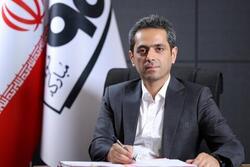


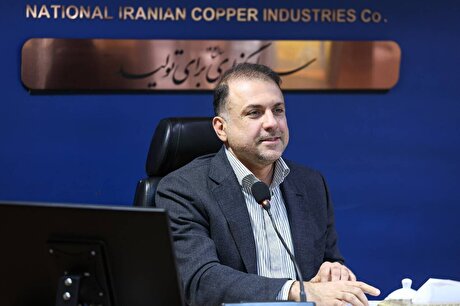
Senior Director of Quality Control and Sustainability of Mobarakeh Steel:
Green steel, a future that is formed from within
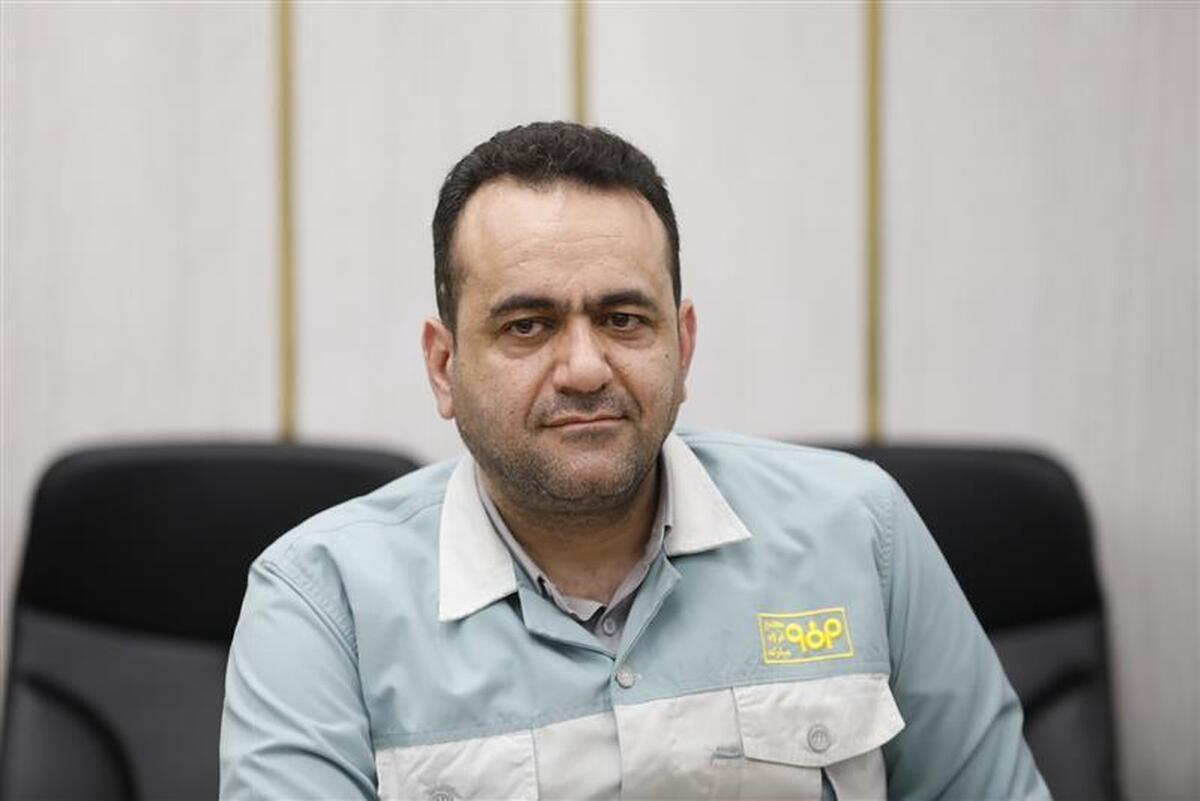
me-metals: Chief Director of Quality Control and Sustainability, stating that green steel, the future that is formed from within, added: “Sustainability in today’s world is not only a competitive advantage, but also a prerequisite for survival and intelligent growth. In an industry such as steel, which plays a decisive role in the entire cycle of life and in the scope of the value chain.
According to me-metals, Yasser Haji Heidari, Chief Director of Quality Control and Sustainability of Mobarakeh Steel, said: "Sustainability in today's world is not only a competitive advantage, but also a prerequisite for survival and intelligent growth. In an industry like steel, which plays a decisive role in the entire life cycle and in the value chain, traditional approaches are no longer responsive. Organizations must think beyond controlling outcomes; they must be the architect of a green, rotating and resilient future.
Sustainability is not a slogan for us, but a system of thought and operational.
In Mobarakeh Steel, we have begun the path of transformation from within by understanding this responsibility. Sustainability is not a slogan for us, but a system of thought and operations that is current and developing at all levels of the organization. It is a strategic architecture and a system that is located at the heart of our business model. With the synergy between all aspects of sustainability in the organization, we are developing a model that is not only resilient to climate, technological and economic developments, but also to be responsive, transparent and reliable to society and global markets.
Development and institutionalization of the rotational economy approach and its business model
One of the main pillars of the sustainability model in Mobarakeh Steel is the development and institutionalization of the rotational economy approach and its business model at all levels of the value chain. From process waste processing and by-products to increasing material efficiency, optimizing the consumption of resources and energy, and producing high-value-added environmental products; we are looking to think about recreating and creating sustainable value instead of waste. This approach not only improves resource efficiency and reduces operating costs, but also increases the resilience of the steel supply chain against environmental and economic challenges.
Green Steel is the result of this systemic look and the rotating business model. We don’t look at green steel as a low-carbon product; we also see it as the result of a sustainable production system in which the design, production, recycling, and consumption of resources and energy are all organized on the basis of reducing environmental impacts and increasing productivity.
A leading step in the path of sustainable production and competitiveness in future markets
The starting point of this path is to accurately identify the current situation and identify the recoverable points in the processes; and one of our most important tools in this direction is to measure the amount of greenhouse gas emissions and the carbon footprint of products. In this regard, Mobarakeh Steel has been able to create a transparent and data-driven mechanism for monitoring, reporting and continuous improvement of its carbon performance by establishing international standards of ISO 14064-1 and ISO 14067. This is a leading step in the path of sustainable production and competitiveness in future markets.
In a world where every ton of steel is measured by social prestige, transparency and positive impact on the environment and the Sustainable Development Goals, we are at Mobarakeh Steel, as a responsible company to create a better future, to build a steel that is compatible with the future and builds it.
Related News
Top News